Buying a home is a huge investment. In fact, it’s the largest one most people will ever make. So, a professional home inspection is an important step any homebuyer should make. A home inspection helps buyers understand the true condition of a property, avoiding costly surprises after purchase.
This blog will highlight why home inspections are crucial, what inspectors look for, and how buyers can use this information to make informed decisions.
What is a home inspection and why is it important?
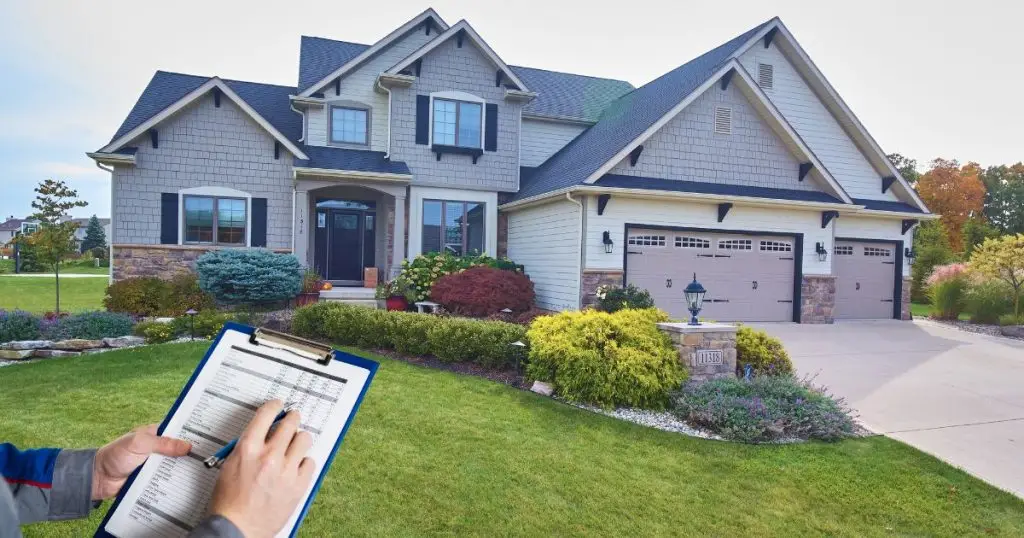
Home inspections are a detailed, professional evaluation of a home’s current condition conducted by a licensed and certified home inspector. During the inspection, the inspector examines the major components of a home such as the structure, foundation, roof, plumbing, electrical systems, heating and cooling equipment, and more to identify any existing or potential issues.
This is important for homebuyers because a thorough inspection reveals essential details about the property’s true condition. It goes beyond what is visible during a casual walk-through or open house. Without a professional inspection, buyers may unknowingly invest in a property with hidden, costly problems.
Quality home inspections provide buyers with several key advantages:
- Identifies hidden problems: Inspectors often uncover issues that aren’t immediately obvious like faulty wiring, plumbing leaks, structural weaknesses, or roofing problems. This info helps buyers avoid unpleasant surprises after purchase.
- Provides negotiating leverage: If issues are discovered during inspection, buyers have the option to negotiate repairs, request price adjustments, or back out of the sale entirely.
- Offers clarity and peace-of-mind: Knowing the exact condition of the home you’re buying gives you confidence that you’re making a sound investment. It can also help you plan for future maintenance costs, reducing uncertainty and stress.
What does a home inspector typically examine?
During home inspections, the inspector carefully evaluates multiple critical components of a property. While home inspections can vary slightly depending on the home, here are the key areas typically covered:
Structural components
The inspector assesses the integrity of the home’s structure, including:
- Foundation and basement: Checking for cracks, settlement, water intrusion, or structural weaknesses.
- Roof and attic: Evaluating condition, age, missing shingles, leaks, and ventilation.
- Walls, ceilings, floors: Inspecting for signs of settling, moisture damage, or structural issues.
- Windows and doors: Ensuring they operate correctly, are properly sealed, and show no signs of damage or deterioration.
Electrical systems
A thorough inspection of the electrical system helps identify potential safety hazards and ensures code compliance:
- Wiring and circuits: Checking for outdated wiring, proper grounding, and safe circuit loads.
- Electrical panel: Confirming the panel is correctly installed, adequately labeled, and meets current safety standards.
- Outlets, switches, fixtures: Ensuring proper operation and no visible safety hazards.
Plumbing systems
The inspector verifies plumbing systems are functioning properly and safely:
- Pipes and fixtures: Looking for leaks, corrosion, and water pressure issues.
- Water heater: Assessing age, condition, proper installation, and performance.
- Drainage and sewage: Checking for proper drainage and signs of blockages or potential septic issues.
HVAC systems
Heating, ventilation, and air conditioning (HVAC) systems are assessed to confirm functionality and efficiency:
- Heating system: Inspecting condition, performance, age, and safety of furnaces or heat pumps.
- Cooling system: Evaluating the functionality, age, and efficiency of central air conditioning units.
- Ventilation: Ensuring proper airflow, adequate ventilation, and absence of hazardous conditions (such as carbon monoxide leaks).
Home exterior
Exterior aspects of home inspections include reviewing conditions that protect the home from environmental impacts:
- Siding and paint: Checking for deterioration, water damage, rot, or needed repairs.
- Gutters and drainage: Confirming proper water drainage to prevent foundation or landscaping damage.
- Decks, porches, patios: Inspecting structural integrity, safety, and potential maintenance needs.
- Landscaping and grading: Ensuring proper grading around the home to prevent water intrusion and foundation issues.
Home interior
Finally, interior components are evaluated for functionality and potential hidden issues:
- Appliances: Testing kitchen and laundry appliances included in the sale.
- Interior surfaces: Looking closely at walls, ceilings, floors, and cabinetry for evidence of moisture, mold, or pest infestations.
- Safety features: Checking smoke detectors, carbon monoxide detectors, and overall home safety compliance.
Red flags during home inspections buyers shouldn’t ignore
No home is perfect. So, it’s not uncommon for issues to arise during home inspections. However, certain issues during a home inspection shouldn’t be ignored. Here are some critical red flags buyers should be aware of and discuss thoroughly with their inspector and real estate agent.
Structural or foundation issues
- Cracks in foundation walls or floors that are especially wide, horizontal, or expanding
- Uneven floors or doors that don’t close properly
- Water intrusion or dampness in basement or crawlspace
Foundation issues can be extremely costly to repair and often impact the safety and long-term value of the home.
Signs of mold, mildew, or moisture
- Visible mold growth or mildew odors
- Stains or discoloration on walls or ceilings
- Poor ventilation or high humidity levels
Mold is not just an aesthetic issue. It can pose health risks and expensive remediation costs.
Outdated or hazardous electrical wiring
- Knob-and0tube wiring or aluminum wiring
- Exposed wiring or DIY electrical fies
- Breaker panel issues
Electrical issues are serious safety hazards and could cause fires or electrocution risks.
Pest infestations
- Evidence of termites, carpenter ants, or other wood-dstroying insects
- Signs of rodents or other pests
Pest infestations can weaken structural elements, requiring costly repairs and professional extermination.
Roof problems
- Mising, cracked, or curling shingles
- Leaks or water stains in the attic
- Poor ventilation or insulation in the attic
Roof repairs or replacements can be one of the largest home maintenance expenses. Ignoring roof issues during home inspections can lead to costly interior damage.
HVAC system concerns
- Old or inefficient heating and cooling units
- Noisy operation or uneven temperatures
- Poor maintenance history
Replacing an HVAC system is expensive and inefficient systems lead to higher energy bills and reduced comfort.
By paying close attention to these red flags during home inspections, buyers can make informed decisions — either negotiating repairs, requesting a price reduction, or reconsidering the home altogether — ensuring their investment remains sound and stress-free.
How buyers can use inspection results
Home inspections aren’t just about discovering issues. It’s about leveraging that knowledge to protect your investment, plan your budget wisely, and negotiate the best possible deal. Here’s how you can use your home inspection results:
Renegotiate the purchase price
If the inspection uncovers significant issues or repairs, buyers have grounds to renegotiate the home’s selling price. Sharing the inspection report with the seller provides objective evidence, making it easier to request a price reduction to reflect necessary repairs or replacements. Use accurate quotes from professional contractors to support your negotiation and ensure your requests are realistic and fair.
Request repairs
Buyers can ask sellers to address problems found during the inspection before finalizing the purchase. Often, this involves requesting sellers to make repairs themselves or crediting the buyer at closing to handle repairs after the sale. Clearly define which repairs are most important—focusing on safety, structural, or significant mechanical concerns—and present them specifically in your negotiation.
Reassess your buying decision
Sometimes, inspection results reveal significant problems that impact your desire to purchase the home. If the potential costs, safety issues, or concerns about the home’s longevity outweigh the benefits, buyers can use the inspection contingency to reconsider or exit the agreement without penalties. Carefully discuss major concerns with your real estate agent or advisor before making a final decision to ensure it’s the best choice for your financial and personal situation.
Tips for Choosing a Home Inspector
Choosing the right home inspector is crucial to getting an accurate, thorough evaluation of your potential home. Not all inspectors are equal in experience, professionalism, or quality of service. Here are essential tips for selecting a trustworthy, skilled home inspector:
Verify certifications and licenses
Ensure the person you would like to do your home inspections is professionally licensed and certified by reputable organizations such as the American Society of Home Inspectors (ASHI) or the International Association of Certified Home Inspectors (InterNACHI). Certifications guarantee inspectors meet rigorous standards, have ongoing training, and stay updated on current home construction trends and issues. Ask to see proof of their credentials or license number, and verify their active status online through state licensing boards or inspection associations.
In Missouri, there are no specific license requirements for home inspectors. While not legally required, it’s recommended to obtain certification through a reputable home inspection training association and have liability insurance. The National Home Inspector Exam (NHIE) is also highly recommended to enhance credibility.
Review experience and specializations
Experience matters. Look for inspectors with several years of proven expertise, ideally including hundreds of completed inspections. Inspectors with specialized knowledge, like historical homes, specific roofing types, or environmental concerns (e.g., radon or mold), may be valuable if relevant to your situation.
Check references and read reviews
A reputable inspector should have no hesitation providing references or directing you toward online reviews of their previous home inspections. Reviews offer firsthand insights into their professionalism, communication style, thoroughness, and responsiveness. Look beyond star ratings. Focus on comments about how detailed, clear, and useful reports of their home inspections are. Speaking of…
Ensure you’ll receive a detailed, written report
A comprehensive inspection report is crucial for negotiation, planning, and future reference. Ensure the inspector provides a clear, detailed, easy-to-understand report that includes photographs and descriptions of each issue identified, along with recommended actions or repairs. Ask to view a sample inspection report before hiring, to make sure it meets your expectations for clarity and detail.
Clarify what’s included
Home inspections have limitations; they generally don’t include specialty assessments such as radon tests, termite inspections, or septic evaluations unless specifically requested. Clarify exactly what your inspection will and won’t cover, and if additional inspections are recommended based on the property’s condition or age. Ask explicitly about these add-ons upfront, so there are no surprises later, and consider additional specialized inspections when necessary.
Are you about to embark on a homebuying journey?
Buying a home is one of the largest financial decisions most people ever make, and having a thorough, professional home inspection is critical to making sure your investment is sound. Understanding the condition of your future home—inside and out—helps you avoid costly surprises, negotiate effectively, and move forward with confidence. By selecting a qualified inspector, knowing what red flags to look for, and actively using inspection results in your decision-making process, you’ll be prepared to make informed, strategic choices that protect your finances and ensure peace of mind.
Ready to take the next step in your home-buying journey?
Contact our team today—we’re here to provide expert advice, answer your questions, and support you at every step.